Ski Touring
Strength Training for Ski Touring
Develop durable legs and a stable pack-carrying body for the skin track and the descent.
Mountain Training
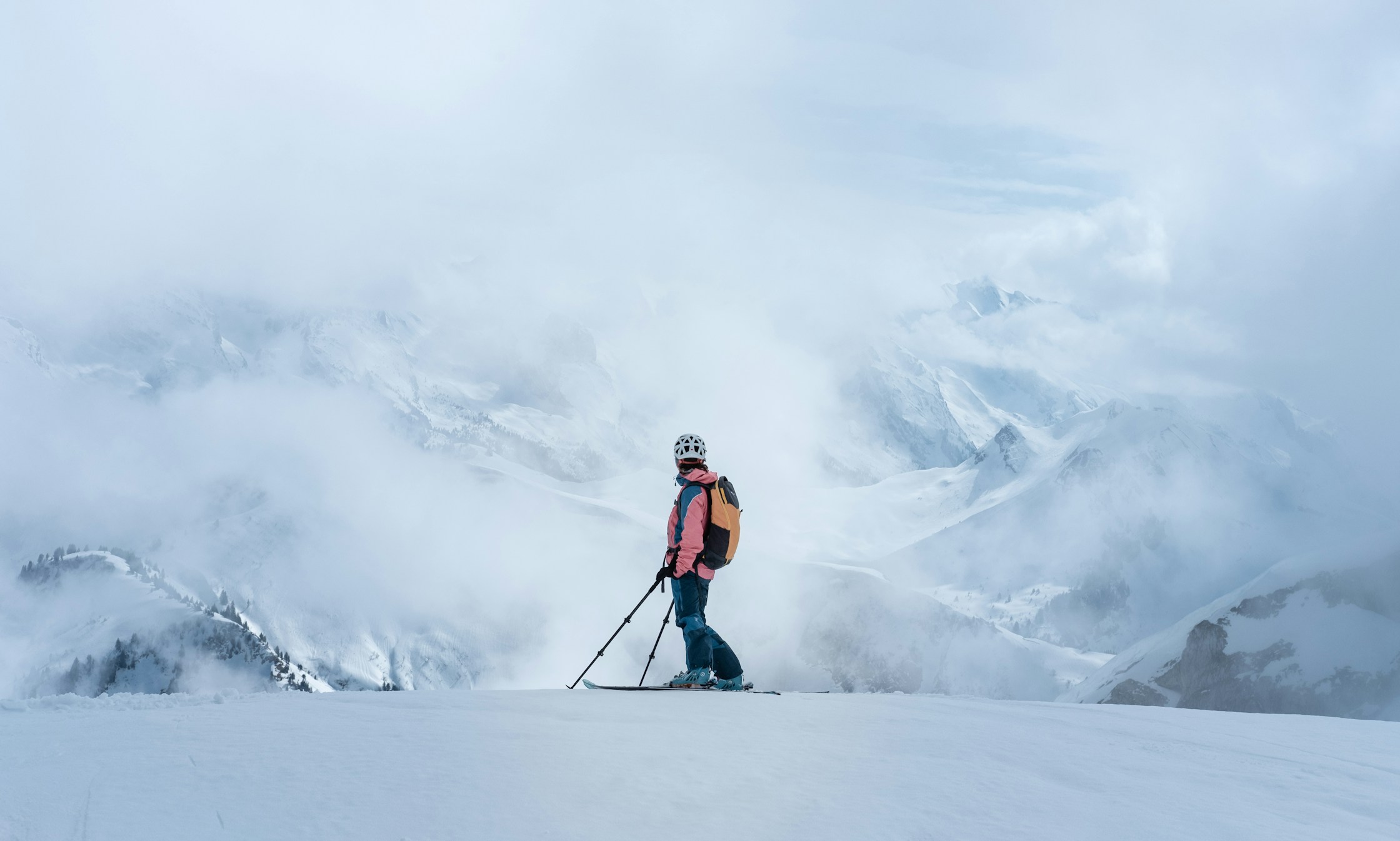
Ski touring combines a sustained aerobic climb with a technically demanding descent, often under a pack and on variable snow. Splitboarding adds its own equipment and movement demands. Strength training supports both, but works best alongside endurance training, technique practice and sound backcountry decisions.
Start before the snow arrives
A consistent autumn block gives you time to learn exercises and progress without competing with every ski day. Two full-body sessions a week is a useful starting point for many recreational tourers. Begin below your maximum capacity and leave recovery between sessions. Experienced athletes may need a different dose; anyone managing an injury should seek individualized guidance.
Prioritize single-leg strength
Step-ups and split squats train force production one leg at a time. A hip hinge, such as a Romanian deadlift, develops posterior-chain strength, while calf raises support the lower leg. Start with bodyweight or light resistance and a controlled range of motion. Choose a step height you can manage without pushing off aggressively from the trailing leg.
A manageable session framework
Select a squat or split-squat pattern, a hip hinge, a step-up, a calf raise and a trunk exercise. As a general starting example, use two or three comfortable sets, with roughly six to ten controlled repetitions for the main lifts. Stop before form deteriorates and rest enough to maintain technique. This is not a personalized prescription: adjust loads, sets and exercise choices to your experience and recovery.
Prepare for descents and a pack
Slow lowering phases and controlled step-downs introduce the braking work used on descents. Add them gradually because unfamiliar eccentric work can cause significant soreness. Carries, rows and anti-rotation exercises can help you manage a pack. Neither gym strength nor balance drills replace downhill technique practice in appropriate terrain.
Keep endurance in the plan
Easy aerobic work remains essential for long climbs. Hiking, incline walking and cycling can build a base before winter. As snow access improves, progress touring duration and elevation gradually. Place demanding strength sessions away from important tours and reduce gym volume when long mountain days increase. Our ski touring and backcountry coaching uses TrainingPeaks to organize that balance.
Fitness does not make avalanche terrain safe
Carry appropriate rescue equipment, practise using it, review the avalanche forecast and make conservative terrain decisions with your group. Take recognized avalanche education and refresh your skills. Turnaround decisions should reflect conditions and the whole group, not just the fittest person.
Pair physical preparation with hands-on learning through avalanche courses at VIBE Backcountry Education, our sister business. Training supports your objective; education and good judgment guide how you pursue it.
General educational guidance, not individualized training or medical advice. Adapt training to your experience, health and objective.
Your objective. Your training plan.
Prepare with personalized strength and endurance coaching, delivered through TrainingPeaks and built around your goals, schedule and available terrain.

